Kamaru
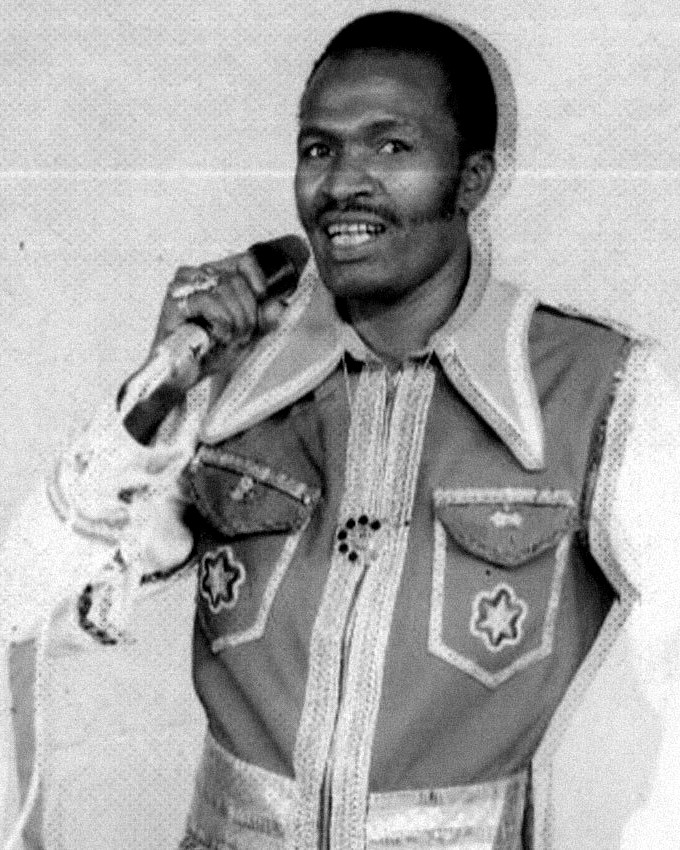
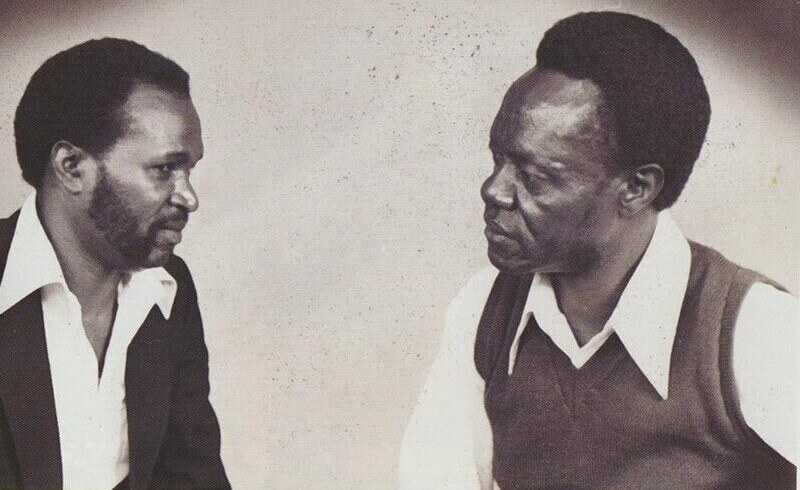
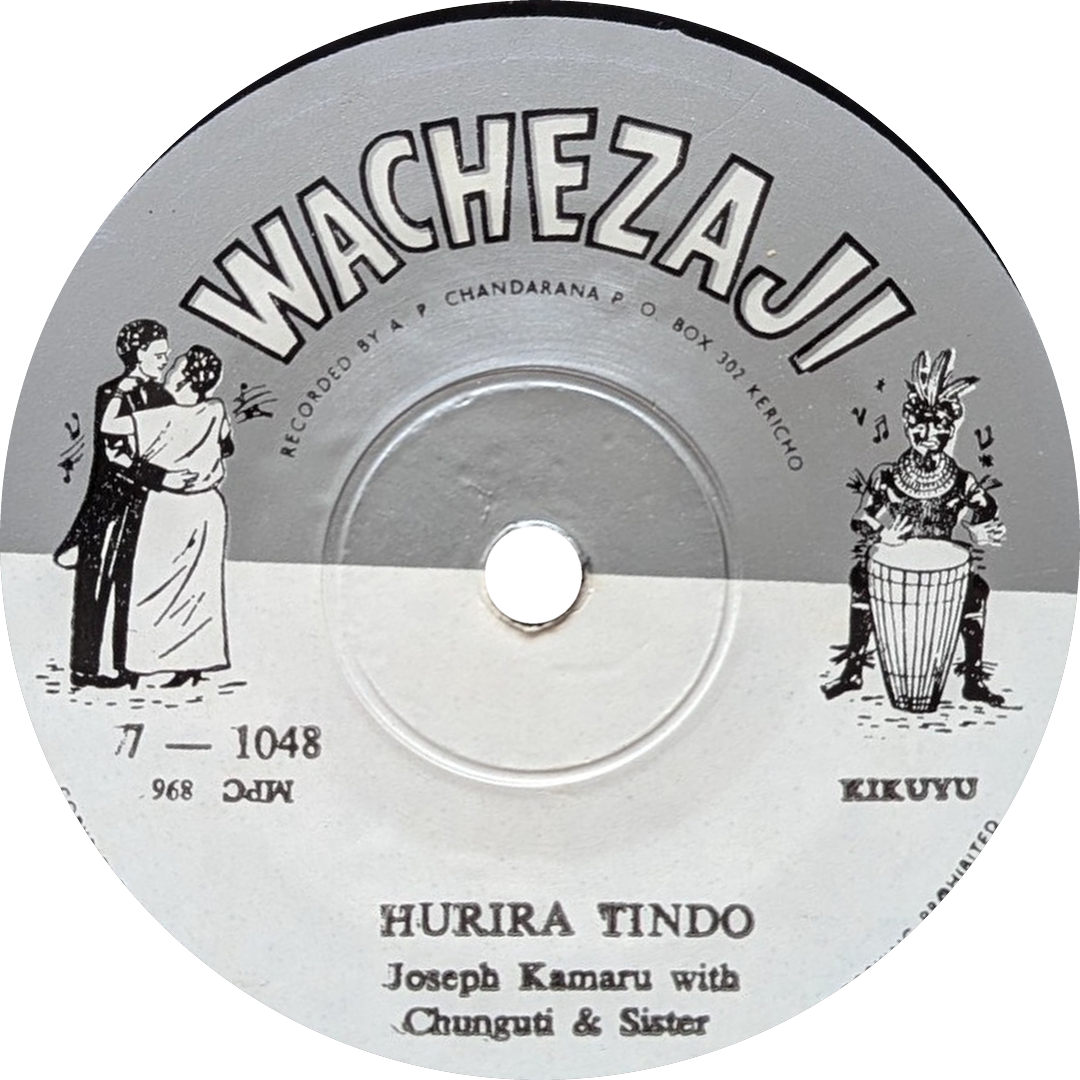
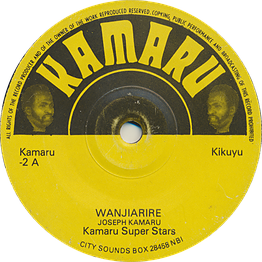
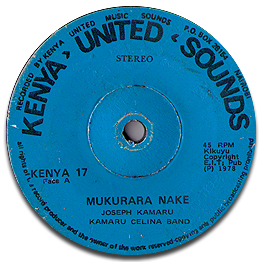
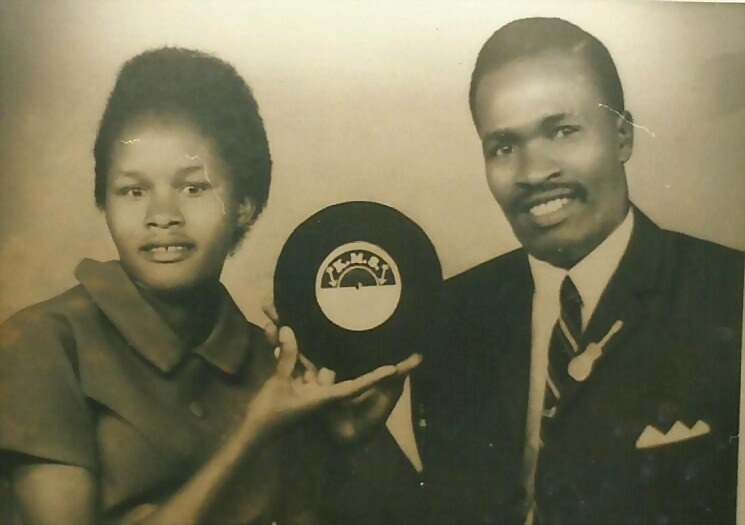 Born Joseph Kamaru Macharia in 1938 in Gathuki-ini village, Kiharu Division, Fort Hall (now Murang'a North), he arrived in Nairobi in 1957 as a teenage house-help and worked through a string of odd jobs -- hawking antibiotics near the OTC bus terminus, laying bricks, cooking at the Kahawa Garrison -- before buying his first guitar in 1964. He began performing with his sister Celina Muthoni, their singing accompanied by nothing more than the guitar and a Fanta bottle for rhythm, and by 1967 had turned that partnership into his first hit, "Celina"; in 1969 he formally launched the "Kamaru Celina Band" with her. He built a Kikuyu-language catalogue that eventually sold half a million records, but it was his willingness to sing about what polite society wouldn't that made him a genuine force -- 1968's "Ndari ya Mwarimu," about a teacher exploiting a student, sparked a national newspaper controversy and a push from the teachers' union to ban it, and a 1975 protest song over the killing of politician J.M. Kariuki sold 75,000 copies in its first week alone. Later political hits followed in specific years too: "Mahoya Ma Bururi" (1988) and "Ngwa na Marurumi" (1992). He was close enough to President Jomo Kenyatta to be considered a friend, and later courted by his successor Daniel arap Moi too, but never stayed quiet for long on either. In 1968 he and his close friend Daniel Kamau -- D.K. Mwai of the Lulus Band -- took over the CMS record label together, and Kamaru later started his own City Sounds imprint. He formally moved into gospel music and church ministry in 1993, announced his return to secular music in December 2008 at the Sports View Hotel, Kasarani ("I am back!"), and remained a fixture of Kenyan music until his death in 2018; his grandson KMRU, a respected experimental electronic musician, has since reissued much of his catalogue.














In stock? From Colombia
🩵
😎😎😎
A lovely song indeed...he composed a wonderful song for me too
The song is more commonly known as "Bel Ami" by Papa Noel.